The world of celebrity lifestyle branding is one of glamour, influence, and competition. From luxury wellness products to clean beauty lines, from memoirs to Netflix documentaries, celebrities have expanded beyond their traditional domains to build empires around their personalities. In recent years, Meghan Markle, Duchess of Sussex, has positioned herself as a modern lifestyle entrepreneur, stepping into spaces once dominated by figures like Gwyneth Paltrow and Jessica Alba. However, a surprising contender has emerged to steal the spotlight—Pamela Anderson.
The Canadian-American actress, once known primarily for her “Baywatch” fame and high-profile relationships, has transformed her public image into that of a refined, socially conscious, and elegant lifestyle icon. With her rebranded persona and carefully curated endorsements, Anderson has managed to eclipse Markle in authenticity, relatability, and influence. This article dives deep into the comparison, examining how Pamela Anderson has “outshined” Meghan Markle in the competitive world of lifestyle branding.
Meghan Markle’s Lifestyle Ambitions: The Archewell & Beyond
The Tig and Early Vision
Before becoming the Duchess of Sussex, Meghan Markle ran a lifestyle blog called The Tig. It was designed as a mix of travel diaries, wellness advice, recipes, and inspirational posts. Though it never reached the cult status of Goop, it hinted at her ambitions to become a tastemaker. The blog was shut down in 2017 when her relationship with Prince Harry became public.
Archewell: Media Meets Lifestyle
In 2020, Meghan and Harry launched Archewell, a foundation and media production company. While its mission leaned heavily toward philanthropy and content creation, it was also an attempt to solidify the Sussexes as global thought leaders. However, the execution faced challenges. Their Spotify deal ended prematurely in 2023, their Netflix content has had mixed reception, and Meghan’s rumored revival of a lifestyle brand often fails to generate genuine excitement compared to her peers.
Public Perception Issues
The biggest hurdle for Meghan’s lifestyle empire is credibility. Critics often accuse her of being “calculated,” “out of touch,” or “inauthentic.” The pressure of maintaining royal ties while simultaneously building a personal brand has left Meghan in a complicated position. Unlike other celebrity entrepreneurs, she cannot fully separate her commercial pursuits from her royal identity, which complicates how audiences perceive her ventures.
Pamela Anderson’s Reinvention: From Baywatch to Barefaced Icon
A Radical Image Shift
Pamela Anderson was once considered the embodiment of Hollywood excess—flashy, controversial, and defined by her relationships with rock stars. However, in the past few years, Anderson has orchestrated one of the most successful image reinventions in modern celebrity history.
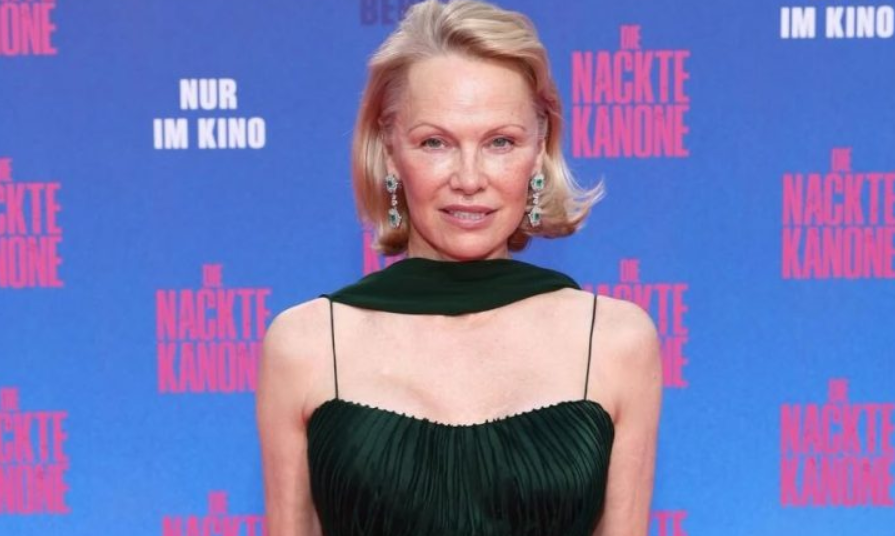
Appearing barefaced at the 2023 Paris Fashion Week, Pamela shocked audiences not with extravagance, but with her natural look, defying beauty industry standards. This single moment sparked global conversations about authenticity and confidence, positioning her as a woman who has nothing to prove.
Lifestyle Branding Through Authenticity
Unlike Meghan Markle, Pamela has leaned into authentic minimalism as her brand. She’s embraced cruelty-free beauty products, natural aging, animal rights advocacy, and simple living. Her memoir Love, Pamela and her Netflix documentary gave audiences an intimate, raw look at her life without the heavy gloss of public relations spin.
The core strength of Pamela’s branding lies in her ability to be relatable. She doesn’t pretend to have all the answers, nor does she lecture her audience. Instead, she invites them into her world with humility and vulnerability, which resonates more strongly with today’s consumers who crave realness over perfection.
Head-to-Head: Meghan Markle vs Pamela Anderson in Lifestyle Branding
1. Authenticity vs Curation
-
Pamela Anderson: Comes across as authentic, raw, and unfiltered. Her decision to appear without makeup in major fashion events symbolized empowerment.
-
Meghan Markle: Often seen as overly curated, polished, and scripted. Critics argue her brand lacks spontaneity and feels corporate.
Winner: Pamela Anderson
2. Cultural Influence
-
Pamela Anderson: By rejecting traditional beauty expectations, she has become a cultural reference point for embracing natural aging. Publications hailed her as the “unexpected style icon” of the year.
-
Meghan Markle: While she has influence due to her royal title, her cultural impact often stirs controversy rather than admiration.
Winner: Pamela Anderson
3. Brand Identity
-
Pamela Anderson: Her brand is clear—sustainability, authenticity, and fearless aging.
-
Meghan Markle: Her brand identity remains scattered—philanthropy, media, royalty, lifestyle—but lacks cohesion.
Winner: Pamela Anderson
4. Relatability to Audiences
-
Pamela Anderson: Many middle-aged women and even younger audiences see her as inspirational for redefining beauty standards.
-
Meghan Markle: Often criticized as distant, privileged, and unrelatable.
Winner: Pamela Anderson
5. Media Reception
-
Pamela Anderson: Media outlets celebrated her reinvention, praising her bravery and vulnerability.
-
Meghan Markle: Media attention frequently skews negative, with constant scrutiny and divisive coverage.
Winner: Pamela Anderson
The Role of Timing: Why Pamela Surged as Meghan Stalled
In branding, timing is everything. Pamela Anderson’s reinvention coincided with a societal shift toward authenticity. Post-pandemic audiences were tired of airbrushed perfection and hungry for raw, real content. Her barefaced look and candid memoirs tapped directly into this cultural mood.
Conversely, Meghan Markle launched many of her ventures during an era of “royal fatigue” and skepticism toward celebrity activism. Her projects, though ambitious, often appeared tone-deaf to the average consumer struggling with real-world issues. Pamela’s simplicity felt refreshing, while Meghan’s ventures felt overwhelming.
Pamela Anderson’s Subtle Marketing Genius
Pamela’s success isn’t just luck—it’s smart branding. She has avoided oversaturation. Rather than flooding the market with products or media, she makes rare but impactful appearances. Every move feels intentional, and because of that, audiences pay attention.
Her collaborations are carefully chosen—eco-conscious beauty products, vegan causes, and fashion that aligns with her minimalist ethos. By contrast, Meghan’s partnerships (such as Spotify) felt more like corporate deals than genuine passions.
Meghan Markle’s Challenges Moving Forward
Meghan is not without potential. She has a strong global platform, loyal supporters, and access to immense resources. However, to truly rival Pamela Anderson’s current cultural dominance, Meghan needs to:
-
Clarify her brand identity – Decide whether she wants to focus on philanthropy, lifestyle, or media content rather than trying to balance all at once.
-
Embrace vulnerability – Audiences connect with imperfection. Meghan might benefit from being less scripted and more open about her struggles.
-
Choose authentic collaborations – Aligning with causes or products that genuinely reflect her lifestyle could help her rebuild credibility.
-
Stop overexposure – Too many public projects dilute her message. She needs to focus on fewer, high-quality initiatives.
Pamela Anderson’s Future as a Lifestyle Icon
Pamela is now seen not only as a Hollywood legend but as an unexpected wellness and lifestyle leader. If she continues to align her branding with authenticity and sustainability, she could carve out a lasting empire akin to Gwyneth Paltrow’s Goop, but with more relatability.
Her story of reinvention is inspirational: a woman once typecast as a “blonde bombshell” now commands respect as a cultural figure of resilience and natural beauty. This trajectory makes her brand far more enduring than a polished royal podcast.
Public Sentiment: Why Pamela Resonates More
At the heart of lifestyle branding is public sentiment. Consumers want to see themselves in the figure they admire. Pamela’s barefaced courage says: “You don’t have to be perfect to be beautiful.” Meghan’s carefully curated image often says: “You must strive for perfection to be accepted.”
This distinction explains why Pamela’s rebrand feels liberating while Meghan’s feels suffocating. In an age where mental health and self-acceptance are prioritized, Pamela delivers hope while Meghan risks delivering pressure.
Conclusion: Why Pamela Outshines Meghan
In the competitive arena of lifestyle branding, Pamela Anderson has emerged as the unexpected champion. Through authenticity, vulnerability, and timing, she has outshined Meghan Markle, whose ventures have yet to resonate widely with audiences.
Pamela’s rebrand reflects a universal truth: people value authenticity over perfection, relatability over elitism, and sincerity over curation. Meghan still has the potential to redefine her image, but as of now, Pamela Anderson is not just winning the lifestyle branding battle—she’s redefining what it means to age gracefully, live authentically, and inspire globally.
Pamela Anderson may have once been underestimated, but in today’s world of lifestyle branding, she is a force Meghan Markle will find difficult to rival.