
Technology moves so fast that what once felt revolutionary can become unrecognizable in just a generation. Many of the devices that shaped childhoods in the 1980s, 1990s, and early 2000s now sit quietly in attics, thrift stores, or museums. For today’s kids—raised on smartphones, cloud storage, and instant streaming—these once-essential technologies seem strange, bulky, and unnecessarily complicated.
Let’s take a nostalgic journey through seven old technologies that most kids today wouldn’t recognize, understand, or know how to use.
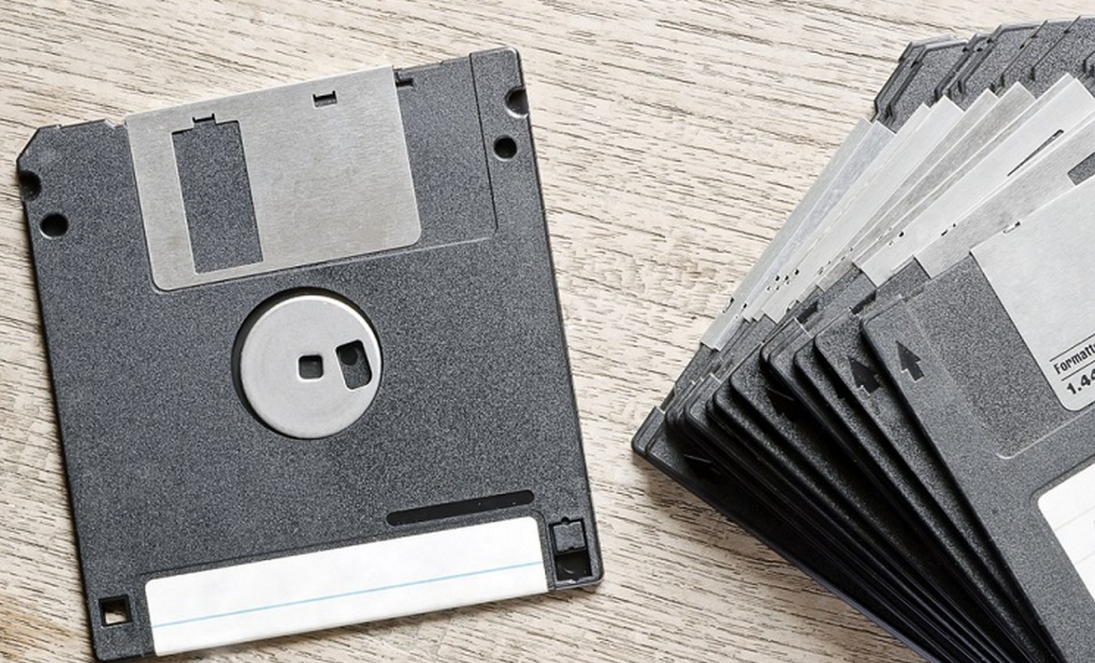
1. Floppy Disk – When 1.44 MB Was Enough
Before USB drives and cloud storage, the floppy disk was the go-to method for transferring files.
What Was a Floppy Disk?
A floppy disk was a small, square-shaped storage device made of thin magnetic material encased in plastic. The most common version in the 1990s was the 3.5-inch floppy disk, which could store a whopping 1.44 megabytes of data.
To put that into perspective:
-
One modern smartphone photo is often larger than 3 MB.
-
A single MP3 song could barely fit.
-
A short document with images might exceed its capacity.
Why It Was Revolutionary
In its time, the floppy disk was groundbreaking. It allowed people to:
-
Save school projects
-
Transfer documents between computers
-
Install software
-
Store games
Computer labs in schools had boxes filled with labeled floppy disks. If you forgot yours at home, your homework was gone.
Why Kids Today Don’t Recognize It
Modern devices don’t even have floppy disk drives. If you showed one to a child today, they might not know it’s the original inspiration behind the “Save” icon used in many apps.
The idea of physically carrying storage instead of uploading to Google Drive or Dropbox feels ancient.
2. VHS tape and the VCR – Rewinding Was a Lifestyle
Before streaming services like Netflix, families watched movies on VHS tapes using a VCR.
What Was VHS?
VHS (Video Home System) was a video cassette format introduced in the late 1970s. The tapes were large plastic rectangles containing magnetic tape inside.
To watch a movie:
-
Insert the tape into the VCR.
-
Press play.
-
Adjust tracking if the screen looked fuzzy.
-
Rewind the tape when finished.
The Ritual of Movie Night
Going to a video rental store was an event. Families would browse shelves of tapes, read the backs of boxes, and argue over what to watch. Late fees were dreaded.
Rewinding was crucial. If you returned a tape without rewinding it, the next person would be annoyed.
Why It’s Unrecognizable Now
Kids today:
-
Stream instantly
-
Skip scenes
-
Watch on demand
-
Never deal with physical media
The idea of waiting for a tape to rewind or worrying about it getting “eaten” by the VCR is completely foreign.
3. Walkman – Music in Your Pocket (Sort Of)
Before smartphones and Spotify, music lovers carried portable cassette players.
The Rise of the Walkman
The Walkman, popularized in the 1980s and 1990s, allowed people to listen to cassette tapes through wired headphones. It was bulky, often clipped to a belt, and powered by AA batteries.
You couldn’t:
-
Skip to a specific timestamp easily
-
Shuffle songs
-
Stream new music
If you wanted to hear your favorite song again, you manually fast-forwarded and guessed where it started.
The Mixtape Era
Creating a mixtape for someone was a meaningful gesture. You had to:
-
Record songs in real time
-
Carefully time each track
-
Hope you didn’t mess up
It was slow—but personal.
Why It’s Alien to Today’s Kids
Now, music is:
-
Unlimited
-
Instantly searchable
-
Stored digitally
-
Accessible on one device
The concept of flipping a cassette halfway through listening is almost unimaginable to a child growing up with streaming platforms.
4. Dial-up Internet – The Sound of the 90s
Before high-speed broadband and Wi-Fi, households connected to the internet using dial-up connections.
How Dial-Up Worked
Dial-up internet used a telephone line. To connect:
-
The modem dialed a number.
-
It made loud, screeching noises.
-
You waited… sometimes for minutes.
While connected:
-
The phone line was busy.
-
No one could make or receive calls.
-
The connection could drop randomly.
The Experience
Web pages loaded slowly.
Images appeared line by line.
Downloading a single song could take hours.
If someone picked up the phone, you were instantly disconnected.
Why Kids Can’t Imagine It
Today’s internet:
-
Is always on
-
Is wireless
-
Streams 4K video effortlessly
-
Connects multiple devices simultaneously
Waiting five minutes for a single webpage to load would feel unbearable to modern children.
5. Pager – The Original Notification
Before smartphones, there were pagers.
What Was a Pager?
A pager was a small device that received numeric or short text messages. When someone wanted to contact you:
-
They dialed your pager number.
-
Entered their phone number.
-
You found a phone and called them back.
Later versions allowed short text messages, but functionality was limited.
Who Used Them?
Pagers were popular among:
-
Doctors
-
Business professionals
-
Emergency workers
-
Teenagers in the 1990s
It was the early version of getting a notification—but without instant replies.
Why It’s Obsolete
Smartphones replaced pagers entirely. Messaging apps now allow:
-
Real-time texting
-
Voice notes
-
Video calls
-
Emojis and media sharing
Kids today expect instant, interactive communication—not numeric codes and call-backs.
6. CRT television – The Giant Box TV
Before slim flat-screen TVs, families gathered around bulky CRT televisions.
What Was a CRT TV?
CRT (Cathode Ray Tube) TVs were heavy, box-shaped televisions with thick glass screens. They:
-
Took up large space
-
Required strong stands
-
Produced static when turned on
-
Displayed lower resolution images
Adjusting rabbit-ear antennas was sometimes necessary for clearer reception.
Limited Channels and Schedules
Unlike today’s endless streaming platforms:
-
TV shows aired at specific times.
-
If you missed an episode, you waited for reruns.
-
Recording required a VCR.
Children structured their afternoons around cartoon schedules.
Why Kids Don’t Recognize Them
Modern TVs are:
-
Ultra-thin
-
Smart-enabled
-
Connected to the internet
-
Controlled by voice assistants
A CRT TV would look like a mysterious antique to a child used to touchscreens.
7. Nintendo Entertainment System Cartridges – Blow to Make It Work
Gaming has transformed dramatically since the early days of cartridge-based consoles.
The Cartridge Era
Systems like the Nintendo Entertainment System used large plastic cartridges inserted into the console.
Common experiences included:
-
Games freezing
-
Error screens
-
Removing and blowing into cartridges
-
Reinserting them carefully
Games were simple by today’s standards:
-
8-bit graphics
-
Limited sound effects
-
No internet connectivity
The Social Experience
Multiplayer meant sitting next to someone on the couch.
There were no online matches.
No downloadable updates.
No in-game purchases.
Why It’s Unfamiliar Today
Modern gaming consoles:
-
Download games digitally
-
Update automatically
-
Connect players worldwide
-
Deliver ultra-realistic graphics
The idea of physically inserting a game—and blowing into it to make it work—feels almost mythical now.
Why These Technologies Matter
Although outdated, these technologies played a crucial role in shaping the digital world we know today.
They taught patience.
They required problem-solving.
They involved physical interaction.
They made ownership tangible.
Unlike today’s invisible cloud-based systems, older technologies were mechanical, hands-on, and sometimes frustrating—but deeply memorable.
The Bigger Picture: How Fast Technology Evolves
What’s truly fascinating isn’t just that these technologies disappeared—it’s how quickly they did.
In just 20–30 years, we moved from:
-
Physical storage to cloud computing
-
Scheduled TV to on-demand streaming
-
Numeric pagers to AI-powered smartphones
-
Dial-up internet to fiber broadband
-
Local gaming to global multiplayer universes
Children today are digital natives. They grow up:
-
Swiping before they can write
-
Streaming before they read
-
Video calling before they dial numbers
For them, floppy disks and VHS tapes aren’t nostalgic—they’re archaeological artifacts.
Will Today’s Tech Become Tomorrow’s Mystery?
History suggests yes.
One day, children might not recognize:
-
Charging cables
-
Physical keyboards
-
Even smartphones
As augmented reality, artificial intelligence, and wearable technology continue to evolve, our current devices may seem just as outdated as VHS tapes and pagers.
Final Thoughts
The technologies of the past weren’t perfect—but they were stepping stones. They represent a time when innovation felt magical, when saving a file was an achievement, and when connecting to the internet felt like entering a new world.


