
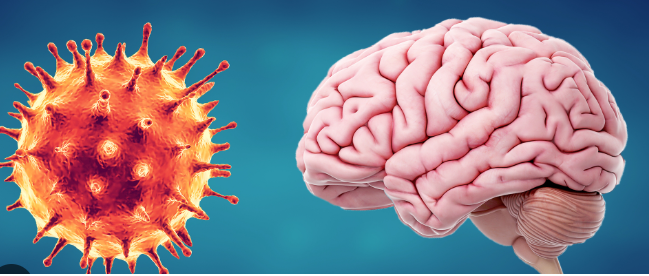
COVID-19, caused by the SARS-CoV-2 virus, shook the world in 2020 and continued to dominate global health conversations for years. While many people initially focused on respiratory symptoms—fever, cough, and shortness of breath—it soon became clear that the virus did not limit itself to the lungs. A growing body of scientific research shows that COVID-19 can affect nearly every organ system in the body, especially the brain.
Early in the pandemic, doctors noticed that some patients reported neurological symptoms such as loss of smell (anosmia), headaches, confusion, dizziness, and fatigue. Over time, long-term neurological problems began emerging in people who had recovered from the acute illness. These lingering symptoms, collectively known as “long COVID” or post-COVID-19 condition, prompted scientists to ask a deeper question: What happens to the brain after COVID-19?
In this article, we explore what science has revealed so far about how COVID-19 affects the brain—both short-term and long-term—why it happens, the potential mechanisms behind neurological damage, and the implications for millions of people around the world.
1. The Brain and COVID-19: An Unexpected Relationship
When COVID-19 first appeared, researchers assumed it was primarily a respiratory disease. That assumption changed rapidly as clinical reports from hospitals worldwide documented neurological issues.
A Spectrum of Neurological Symptoms
Some of the most commonly reported brain-related symptoms after COVID-19 include:
-
Headaches
-
Memory loss and “brain fog”
-
Difficulty concentrating
-
Mood changes (anxiety, depression)
-
Sleep disturbances
-
Loss of smell and taste
-
Dizziness or vertigo
-
Fatigue
These symptoms can occur even in people who had mild initial infections and were never hospitalized.
2. How COVID-19 Gets to the Brain
Understanding how the virus affects the brain requires a look at how it interacts with the body:
Direct Viral Invasion
Some viruses can invade brain tissue directly by crossing the blood-brain barrier, a protective shield that isolates the brain from the rest of the bloodstream. While SARS-CoV-2 is primarily a respiratory virus, evidence suggests it may occasionally cross or disrupt the blood-brain barrier and infect brain cells.
Through the Olfactory Nerve
One possible route into the brain is the olfactory nerve, which connects the nose to the brain. Since loss of smell is such a common symptom of COVID-19, scientists suspect the virus might reach brain tissues through this pathway.
Indirect Effects via Inflammation
Even when the virus does not directly infect brain cells, the immune system’s response to COVID-19 can have powerful effects on the brain. Severe inflammation—especially in serious cases—can damage brain tissue and disrupt normal function.
3. The Immune Response: Friend and Foe
Cytokine Storms
In severe COVID-19 cases, the immune system can go into overdrive, producing an overwhelming amount of signaling molecules called cytokines. This phenomenon, known as a “cytokine storm,” can result in inflammation throughout the body, including the brain.
Inflammation in the brain can lead to symptoms such as confusion, delirium, and cognitive impairment. It can also damage neurons and the supporting cells that keep the brain healthy.
Autoimmunity
There is growing evidence that COVID-19 may trigger autoimmune responses in some people, where the immune system mistakenly attacks the body’s own cells. This can create long-term issues, particularly in the nervous system.
4. Vascular Effects: Tiny Blood Vessels, Big Consequences
The brain relies on an intricate network of blood vessels to receive oxygen and nutrients. SARS-CoV-2 appears to affect the vascular system in several ways:
Blood Clots and Stroke
COVID-19 increases the risk of blood clot formation. When clots form in or travel to the brain, they can block blood flow and cause strokes. Some patients have experienced stroke even weeks after initial infection.
Microvascular Damage
Beyond large clots, COVID-19 can damage microscopic blood vessels. This can reduce blood flow to brain regions, contributing to fatigue, cognitive issues, and neurological symptoms.
5. Structural Changes in the Brain
Advances in neuroimaging have allowed scientists to observe physical changes in the brains of people after COVID-19.
Brain Shrinkage
Some studies using MRI have found evidence of reduced brain volume in areas responsible for memory, emotional regulation, and sensory processing. These changes have been observed even in people who experienced only mild symptoms.
White Matter Changes
White matter consists of nerve fibers that connect different parts of the brain. COVID-19 has been linked to abnormalities in white matter, which may explain why survivors often struggle with memory, attention, and processing speed.
6. “Brain Fog” and Cognitive Dysfunction
One of the most common complaints among long COVID sufferers is “brain fog”—a term used to describe a collection of cognitive issues:
-
Lack of mental clarity
-
Difficulty concentrating
-
Memory lapses
-
Slowed thinking
Possible Explanations
Neuroinflammation: Chronic inflammation may disrupt communication between neurons.
Metabolic Changes: COVID-related inflammation may interfere with energy production in brain cells.
Vascular Disruption: Reduced blood flow can impair cognitive processes.
Although brain fog does not seem life-threatening, it can significantly impact daily functioning, work performance, and quality of life.
7. Mental Health and Mood Disturbances
Beyond cognitive symptoms, many people experience changes in mood:
-
Anxiety
-
Depression
-
Irritability
-
Emotional volatility
These issues may result from a combination of biological and psychological factors:
-
Direct effects of inflammation on brain chemistry
-
Stress from prolonged illness
-
Social isolation during recovery
-
Disruption of routine and physical activity
8. Sleep Problems: A Common Aftermath
Post-COVID sleep disturbances are widespread. Patients report:
-
Difficulty falling asleep
-
Frequent nighttime awakenings
-
Vivid or disturbing dreams
-
Daytime fatigue
Sleep problems may be interconnected with other neurological symptoms like brain fog, anxiety, and mood changes.
9. Long COVID: The Persistent Brain Syndrome
Long COVID, also known as post-acute sequelae of SARS-CoV-2 infection (PASC), refers to symptoms lasting weeks or months after the acute phase. Neurological symptoms are among the most persistent and debilitating.
Who Is Most at Risk?
Long COVID can occur in people of all ages and does not only affect those who were seriously ill. However, certain factors have been linked to higher risk:
-
Female sex
-
Older age
-
Severe acute illness
-
Preexisting medical conditions
-
Autoimmune disorders
Yet even healthy individuals without risk factors have reported long COVID symptoms.
10. Children and the Developing Brain
While children have generally milder respiratory symptoms from COVID-19, some develop neurological issues post-infection.
Multisystem Inflammatory Syndrome in Children (MIS-C)
In rare cases, children develop an inflammatory condition weeks after infection that can affect the brain, heart, and other organs.
Cognitive and Behavioral Changes
Some children report trouble concentrating, memory issues, learning difficulties, and behavioral changes after COVID-19, raising concerns about impacts on brain development.
11. Why Some Symptoms Persist Long After Infection
Doctors and scientists are still trying to understand why neurological symptoms persist long after the virus is gone.
Possible explanations include:
Lingering Inflammation
Even after the virus is cleared, the immune system may remain activated.
Autoimmune Aftereffects
The immune system may continue attacking healthy brain tissue.
Persistent Viral Fragments
Some researchers theorize that remnants of the virus in the body may continue to stimulate the immune system.
Microvascular Damage
Tiny blood vessel damage may take months to repair, prolonging symptoms.
12. Treatment Strategies for Post-COVID Brain Symptoms
There is no single cure for long COVID neurological symptoms, but several approaches are being used:
Rehabilitation Programs
Personalized cognitive rehabilitation can help patients improve memory, processing speed, and attention.
Medications
Some patients benefit from medications to manage specific symptoms such as headaches, mood changes, or sleep problems.
Physical Exercise
Gentle exercise can improve blood flow to the brain and reduce inflammation.
Mental Health Support
Therapy and counseling can help patients cope with mood changes, anxiety, and depression.
13. Research Frontiers: What Scientists Are Studying Now
Scientists are working on several fronts to understand and treat COVID-related brain issues:
-
Mapping long-term brain changes after infection
-
Identifying biomarkers of neurological damage
-
Studying immune response and autoimmunity
-
Exploring antiviral treatments that protect the brain
-
Developing targeted rehabilitation protocols
The scientific community continues to sound the alarm because the full impact of COVID-19 on the brain is still unfolding.
14. Real-Life Stories: Voices Behind the Symptoms
Behind scientific data are millions of individuals experiencing neurological symptoms that shape their lives. Some report:
-
Losing the ability to focus at work
-
Forgetting simple tasks
-
Feeling constantly mentally exhausted
-
Struggling to sleep
-
Losing confidence in themselves
These personal accounts highlight that even “mild” COVID-19 can leave lasting effects.
15. Prevention: The Best First Step
Because we still don’t fully understand how COVID-19 affects the brain long-term, prevention remains critical.
Key preventive measures include:
-
Vaccination
-
Masking in crowded settings during outbreaks
-
Ventilation and hygiene practices
-
Timely medical care for acute symptoms
-
Early rehabilitation for post-COVID issues
Vaccines have been shown to reduce the risk of severe disease and may also lower the likelihood of long-term neurological symptoms.
16. A Global Health Concern
As tens of millions of people worldwide have been infected with SARS-CoV-2, even a small percentage developing neurological complications translates to a large public health burden.
Governments, health systems, and researchers are grappling with the challenges of:
-
Providing care for long COVID patients
-
Supporting mental health
-
Funding research into long-term brain effects
-
Training medical professionals to recognize and treat neurological sequelae
17. Looking Ahead: Hope and Challenges
Though the picture is complex, there is reason for cautious optimism:
Increased Awareness
Doctors and patients are more informed today than early in the pandemic.
Growing Research
Worldwide research efforts are accelerating our understanding of post-COVID neurological effects.
Rehabilitation Innovations
New therapies and technologies are emerging to help patients regain cognitive function.
However, challenges remain:
-
Not everyone has access to specialized care
-
Symptoms can vary widely between individuals
-
Long-term effects may last years
-
Many questions about mechanisms are still unanswered
Conclusion
COVID-19 is more than a respiratory disease. For many people, its effects on the brain are profound, puzzling, and persistent. From inflammation and vascular damage to cognitive dysfunction and mental health disturbances, scientists have uncovered a broad spectrum of neurological consequences.
While research continues and treatments improve, the connection between COVID-19 and the brain remains a critical area of concern. Understanding how and why the virus affects the nervous system will be essential not only for helping patients recover, but also for preparing for future pandemics.
The alarm being sounded by scientists is not meant to spread fear—it is meant to motivate action: research, clinical care, policy support, and compassionate attention to millions of people whose lives have been shaped by the hidden aftermath of COVID-19.


